Smelled Gas? A Homeowner's Guide to Gas Line Safety and Repairs
A gas smell is never something to wait on. Here's what to do right now, and what proper repair looks like afterward.
October 8, 2026 · 4 min read
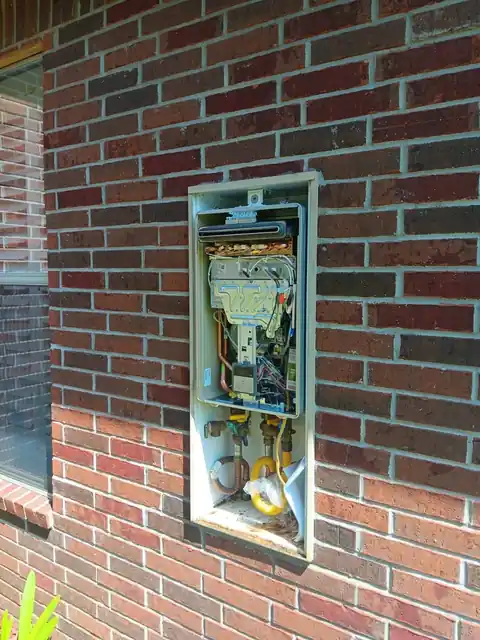
Natural gas is odorless in its natural state. The smell most people recognize, something like rotten eggs, is added on purpose so a leak can be noticed. If you're picking up that smell in your house, your nose is doing exactly what it was designed to do, and it's time to act.
This guide covers what to do in the moment, how gas leaks are found, and what safe installation and repair involve. Gas work is one of the few jobs around the house where doing it yourself is a bad idea, and understanding why helps you make a good call.
If you smell gas right now
Safety comes before everything else. Don't hunt for the source. Don't investigate the water heater or the stove to see if you can figure it out. Follow these steps in order.
- Get everyone out of the house, including pets, right away
- Don't flip light switches, run appliances, use a lighter or start a car in the garage, since any spark can ignite gas
- Leave the door open behind you if it's safe to do so, to let air move through
- Call from outside the house, from a neighbor's home or a mobile phone once you're away from the building
- Stay out until you've been told it's safe to go back in
Your gas utility will have its own emergency number and procedures for a suspected leak, and you should call it. A plumber is the right call for finding and repairing a problem inside the home's piping once the immediate danger has been handled.
Other signs of a leak
The smell isn't the only clue. A hissing or whistling sound near a gas line or appliance can mean gas is escaping. Dead or dying plants along the path of a buried line, bubbles in standing water outside, or a gas flame that burns orange or yellow instead of steady blue can all point to trouble. People in the house who feel dizzy, nauseated or get headaches that go away when they leave should take it seriously, because those symptoms can signal a problem with combustion or gas in the air.
Burning smells, soot around an appliance and pilot lights that keep going out are worth a professional's look too. They aren't always leaks, but they are signs something isn't right with the system.
How leaks are found and fixed
A trained technician doesn't rely on smell alone. Detection instruments can pick up small amounts of gas around fittings, joints and connections. Pressure testing checks whether the line holds pressure or slowly loses it, which shows a leak too small to smell. Once the source is found, the section is isolated and repaired with fittings and materials approved for gas, then tested again before the system goes back into service.
That last step is not optional. A repair isn't finished until it's been tested and shown to hold. PrimeTime Plumbing's gas line work covers installation, leak detection and repair, with code compliant repairs as the standard.
Why this isn't a DIY job
Plenty of home projects forgive a mistake. A gas connection does not. A fitting that's slightly under tightened, the wrong thread sealant, a line that wasn't pressure tested, a flexible connector that's the wrong type for the job: any of these can leave a slow leak that you won't notice until it matters. Gas appliances also depend on correct venting and supply pressure to burn properly, and getting that wrong creates carbon monoxide risk.
Local rules also govern gas work, and a licensed plumber knows what's expected where you live. If you're having work done, ask whether it will be tested and whether any required inspection is part of the job.
When you'll want a plumber for gas work
- Adding a gas range, dryer, fireplace or outdoor grill hookup to a house that doesn't have one
- Installing or replacing a gas water heater, including the venting and supply connection
- Running a new line during a remodel or new construction
- Replacing an old or corroded gas line
- Checking a system after a smell, a pilot problem or ground movement
- Getting a periodic inspection on an older house
In East Texas, where the clay soil shifts with the seasons, buried lines and the connections where they enter a house take some stress over the years. A gas line inspection is a reasonable thing to ask for on an older home, or after you've had foundation work done.
A few habits that help
Keep the area around your gas meter and appliances clear. Know where your shutoff is, and make sure the adults in the house know how it works. Don't store flammable liquids near a gas water heater or furnace. If you ever have to shut off the gas at the meter, don't turn it back on yourself. Let the utility or a qualified technician do it, after the system has been checked.
PrimeTime Plumbing installs gas lines, hooks up gas appliances, detects leaks and makes code compliant repairs for homes and businesses around Bullard, Tyler and the surrounding area, and it takes emergency calls at any hour. If you've dealt with the immediate danger and need a licensed plumber to inspect or repair your gas line, call (903) 707-1503.
PrimeTime Plumbing, (903) 707-1503
Call (903) 707-1503More articles
Signs Your Sewer Line Needs Attention in East Texas
Most sewer problems announce themselves long before the backup, if you know what to listen and smell for.
Tank, Tankless or Hybrid: Choosing a Water Heater for Your House
The right water heater depends on your fuel, your household and your space, not on whichever type is trending.