Tank, Tankless or Hybrid: Choosing a Water Heater for Your House
The right water heater depends on your fuel, your household and your space, not on whichever type is trending.
October 8, 2026 · 4 min read
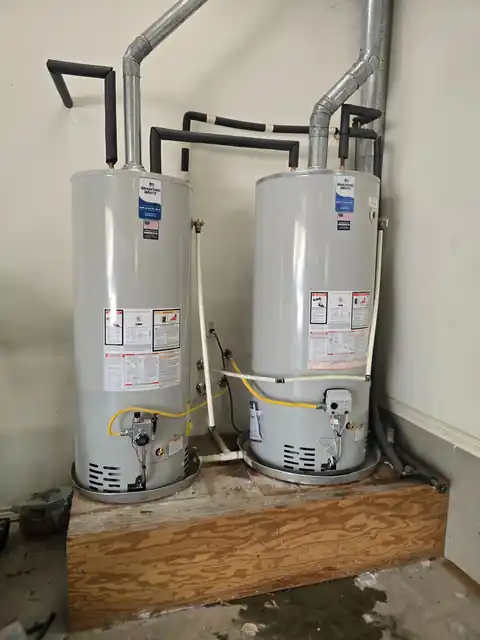
Most people shop for a water heater once the old one has already failed. There's a puddle on the garage floor, the shower runs lukewarm, and a decision that will shape your utility bills for the next decade gets made in a hurry. A little background ahead of time makes that call a lot easier.
There are three broad families to choose from: conventional tank heaters, tankless units, and hybrid models. Each one makes sense for some homes and a poor fit for others. Here's how they differ, in plain terms.
How a tank water heater works
A storage tank heater keeps a set volume of water hot all day, ready to go. When you open a tap, hot water leaves the top of the tank and cold water enters at the bottom to be heated. Gas and electric versions are both common in East Texas.
The appeal is simplicity. Tank heaters are familiar, most plumbers have worked on hundreds of them, and the plumbing and venting in many houses is already set up for one. The tradeoff is that the tank keeps heating water whether or not anyone uses it, and when it runs out, you wait for it to recover. Big households with back to back showers know this one well.
How a tankless water heater works
A tankless unit heats water only when you call for it. Open a tap, and the unit fires up and heats the water as it passes through. There's no stored supply to run out, so the hot water keeps coming as long as the unit can keep up with the flow.
These units hang on a wall and take up much less room than a tank, which matters in a tight utility closet. They also avoid the standby heat loss of a stored tank. The catch is sizing and installation. A tankless unit has a maximum flow rate, so running the dishwasher, a shower and the washing machine at once can ask more than it can deliver if it was sized too small. Venting and gas line capacity also matter, and a gas tankless often needs a larger gas supply than the tank it replaces.
Where hybrid models fit
Hybrid water heaters, sometimes called heat pump water heaters, are electric units that pull heat from the surrounding air rather than relying only on heating elements. They're a good option for homes without gas, and they tend to use less electricity than a standard electric tank. They do need some room, since they're taller than a typical tank and need air to work with, and they like a space that isn't tiny or sealed up. PrimeTime Plumbing services gas, electric, tankless and hybrid water heaters, so whichever way you lean, there's no need to rule one out for lack of a plumber who works on it.
Questions to ask before you choose
- What fuel does the house already have? Switching from gas to electric, or the other way around, adds work and cost.
- How many people live here, and how often do they use hot water at the same time?
- Where does the heater sit? A cramped closet, a garage, an attic and a utility room all have different limits for size, venting and drainage.
- How long do you plan to stay? Some options pay you back over years, and that matters less if you're selling soon.
- Is the existing gas line, vent and electrical supply sized for the new unit?
That last question catches people off guard most often. A new unit can be perfectly good and still need venting changes, a larger gas line or an electrical upgrade before it will run safely. A plumber who looks at the actual setup before quoting saves you from surprises on installation day.
Repair or replace?
Not every misbehaving water heater needs to go. Lukewarm water can be a failed thermostat or a worn heating element. Rumbling or popping noises often mean sediment has built up in the tank. Those are repairable, and a flush is cheap insurance on a unit that's otherwise healthy.
Replacement starts to make sense when the unit is old, leaks from the tank itself, or keeps needing repairs. PrimeTime's own guidance is that a heater past ten years old that leaks often or no longer heats well is a candidate for replacement. Rusty or discolored hot water, visible moisture around the base and inconsistent temperatures are all worth a technician's look. A leak from the tank body is not something to nurse along. Once the tank has failed, it won't heal, and the water damage can cost more than the heater.
Keep it running longer
Whatever type you end up with, annual maintenance pays off. Flushing sediment out of a tank heater, testing the pressure relief valve and checking connections keeps small problems small. Tankless units benefit from periodic servicing too, especially where the water carries minerals. Ask whoever installs your heater what schedule they recommend for your specific model.
PrimeTime Plumbing installs and repairs tank and tankless water heaters for homes and businesses around Bullard, Tyler and the rest of East Texas, and it can walk you through the options for your house before anything gets ordered. If your hot water has gone cold, or you'd like to plan the swap before the old unit fails, call (903) 707-1503.
PrimeTime Plumbing, (903) 707-1503
Call (903) 707-1503More articles
Signs Your Sewer Line Needs Attention in East Texas
Most sewer problems announce themselves long before the backup, if you know what to listen and smell for.
What to Do in the First 10 Minutes of a Plumbing Emergency
A calm, ordered response in the first ten minutes can keep a bad day from becoming an expensive one.